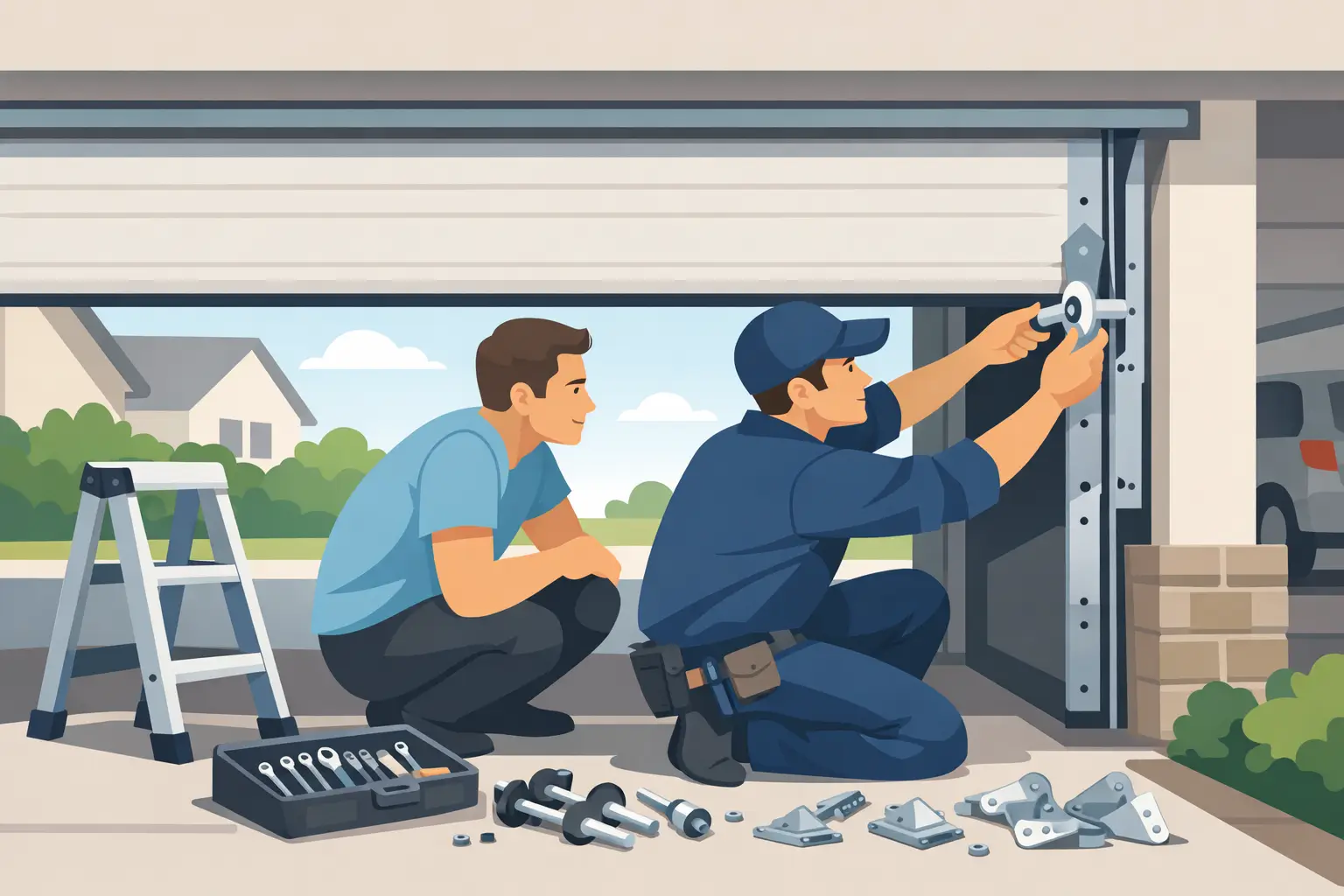
A garage door that jerks, squeals, or shudders on the way up usually is not having a mystery problem. In many cases, it needs garage door roller replacement before a minor wear issue turns into a bent track, damaged hinges, or a door that will not move when you need it most.
Rollers do a simple job, but they take a beating. Every open and close cycle puts stress on the wheel, stem, bearings, and track. In Wyoming, where wind, dust, temperature swings, and daily use can add extra strain, rollers tend to wear faster than many property owners expect. That is why this repair often starts as a noise complaint and ends as a safety issue if it gets ignored.
What garage door rollers actually do
Garage door rollers guide the door through the track system so the door can move smoothly and stay aligned. When the rollers are in good shape, the door opens with less strain on the opener, less vibration through the hardware, and less wear on the track and hinges.
When rollers wear out, the whole system starts compensating. The opener may sound louder. The door may hesitate at certain points. You may notice one side moving unevenly, or the door may shake hard enough to rattle the framing. The rollers are small parts, but they affect the performance of the entire door.
Signs you may need garage door roller replacement
The most obvious sign is noise. Worn rollers often squeak, grind, click, or rumble as they travel through the track. Noise alone does not always mean immediate failure, but it is one of the earliest warnings that the wheels or bearings are breaking down.
Another common sign is rough movement. If the door looks shaky, sticks halfway, or seems to drag in the track, rollers are often part of the problem. Cracked wheels, loose stems, and seized bearings can all cause the door to move unevenly.
You may also be able to see the wear. Nylon rollers can crack or chip. Steel rollers may show rust, wobble, or worn bearings. If a roller has slipped partly out of the track or the stem looks bent, the issue has moved past normal wear and into a repair that should be handled quickly.
For commercial properties and rental units, another sign is repeated complaints from tenants or staff that the door is getting louder or harder to open. That pattern usually means the system is wearing down under regular use and should be inspected before it creates downtime.
Why waiting can cost more
Rollers are usually not the most expensive garage door repair. The problem is what happens when bad rollers stay in service too long.
A worn roller can chew up the track, loosen hinge hardware, and throw added strain onto the opener. If the door starts binding, that stress can also affect cables, brackets, and other moving parts. What could have been a straightforward service call turns into a larger repair bill.
There is also the safety side. A garage door is heavy. If a roller breaks or slips out at the wrong point, the door can jam, come off track, or become unstable. That risk is not something most homeowners or property managers want to test on a busy morning.
Roller types and why they matter
Not all rollers are the same. Some doors use basic steel rollers, while others use nylon rollers with or without sealed bearings. The right choice depends on the door size, cycle use, and budget.
Steel rollers are durable, but they are usually louder. They can make sense in some commercial settings or utility applications where noise is less of a concern. Nylon rollers generally run quieter and are a popular upgrade for residential doors. Better-quality nylon rollers with sealed bearings tend to last longer and operate more smoothly than low-grade options.
This is one of those repairs where the cheapest part is not always the best value. If the door gets used several times a day, or if quiet operation matters, higher-quality rollers often pay off in reduced noise and longer service life.
Can you replace garage door rollers yourself?
Sometimes, but this is where the details matter.
On some doors, certain rollers can be replaced without disturbing high-tension components. On others, the job gets close to parts that can cause serious injury if handled incorrectly. Bottom rollers in particular are often near cable attachments and tension points that should not be treated like a basic hardware swap.
That is why garage door roller replacement is not always a safe do-it-yourself project, even if the rollers themselves look simple. A homeowner may be able to identify the issue, but safe replacement depends on door type, track condition, hinge setup, and whether springs or cables are under load. If the door is off track, crooked, or slamming shut, it is time to stop and call for service.
What a professional roller replacement should include
A proper service call should involve more than popping in a few new wheels.
The technician should inspect the track for bends, check hinges for wear, test door balance, and look at the opener's force settings if the door has been running rough for a while. If the new rollers go onto a damaged track or a poorly balanced door, the problem is only partly solved.
This is also the right time to catch related wear before it turns urgent. In many cases, noisy rollers show up alongside loose hardware, dry bearings, worn hinges, or a door that has not been tuned up in years. A good technician addresses the whole operating condition, not just the most visible part.
For local property owners, fast service matters too. If a door is stuck open, dragging hard, or threatening to come off track, waiting several days is not practical. Same-day repair can make the difference between a quick fix and a security problem.
How much garage door roller replacement usually costs
Cost depends on the number of rollers, the type of roller being installed, the size of the door, and whether there is other damage in the system. Residential roller replacement is often more affordable when caught early, especially if the track and hinges are still in good shape.
If the door needs premium nylon rollers, track adjustment, hinge replacement, or off-track correction, the total will be higher. Commercial overhead doors may also cost more because of size, weight, and hardware requirements.
The main thing most customers want is straightforward pricing. That means knowing whether the quote covers parts, labor, and any related adjustments needed to get the door operating correctly again. Honest pricing matters more than a low number that leaves out the actual work required.
When replacement makes more sense than repeated lubrication
Lubrication helps, but it is not a cure for broken parts. If the rollers are simply dry and otherwise in good condition, a tune-up may quiet the door down. But if the wheels are cracked, the bearings are seized, or the stems are loose, lubricant will not restore safe operation.
A lot of doors get temporary relief from spray products, then start making the same noise again a week later. That usually means the wear is already beyond maintenance. Replacing the bad rollers is the cleaner fix and often saves time and repeat frustration.
Residential and commercial needs are a little different
For homeowners, the biggest concerns are usually noise, convenience, and making sure the family can get in and out safely. A rough door is annoying at first, but it becomes a real problem when it traps a vehicle inside or leaves the garage unsecured.
For commercial properties, the stakes can be higher. A loading area, storage bay, or service entrance with failing rollers can interrupt operations fast. Higher cycle use also means parts wear out sooner. In those settings, preventive replacement often makes more sense than waiting for a full failure during business hours.
Why local service matters for this repair
Garage door problems rarely happen at a convenient time. If the door is dragging, stuck, or making a sound that clearly is not normal, most people do not want a long scheduling window and vague answers.
That is where a local company with stocked service trucks has a real advantage. Mike's Garage Door LLC handles roller issues the same way it handles other garage door repairs - quickly, clearly, and with the goal of fixing the problem correctly on the first visit. For homeowners, property managers, and commercial operators around Cheyenne, that kind of response matters when access and security are on the line.
If your door has gotten loud, shaky, or unreliable, do not wait for a small part to create a bigger repair. Roller problems tend to announce themselves before they fail completely, and catching them early is usually the easiest way to keep the whole door working the way it should.