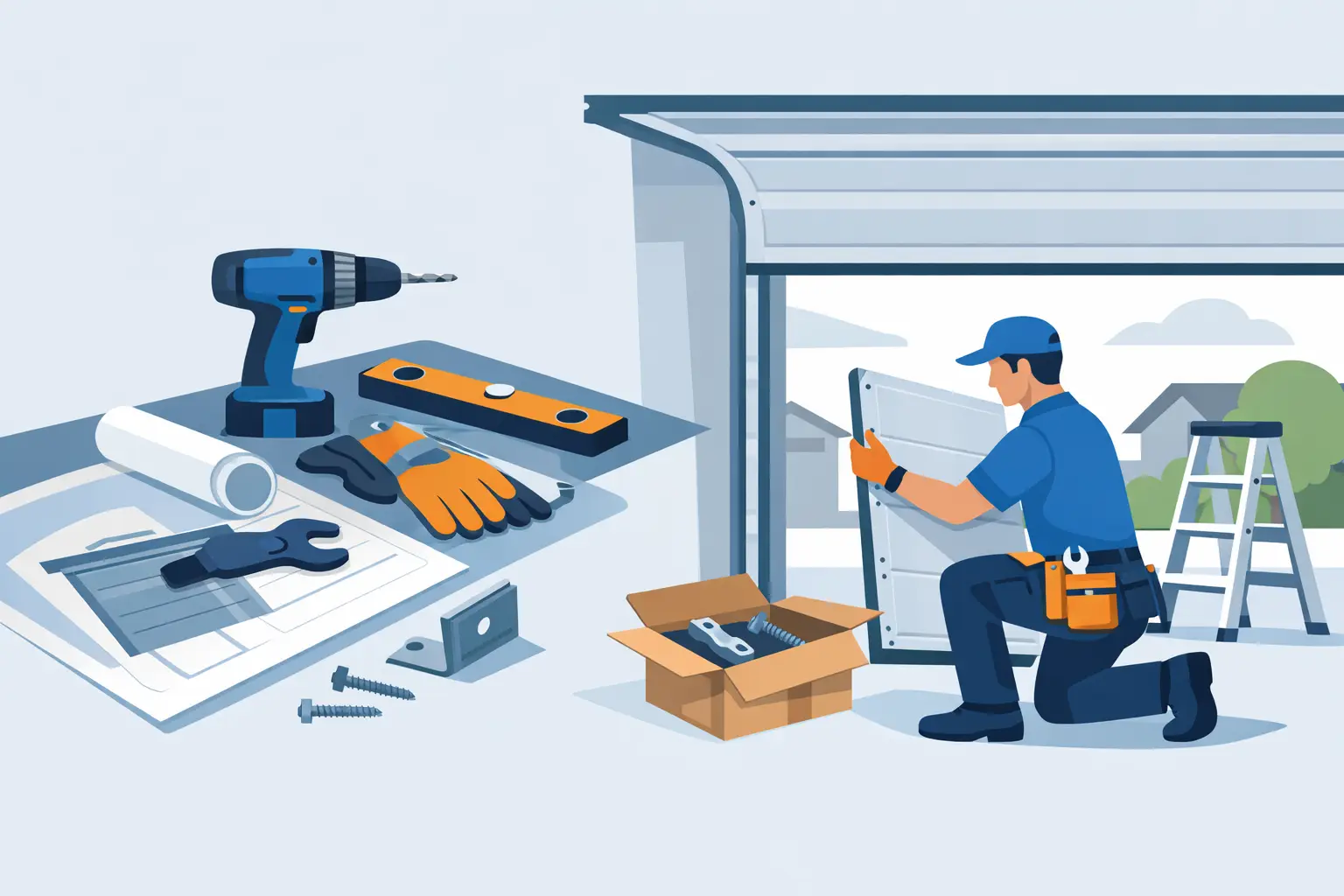
A new garage door is a major moving system, not just a curb-appeal upgrade. On installation day, the fastest way to avoid delays is to give the crew a clear, safe path to the opening and enough room to work around it. Knowing how to prepare for garage door installation also helps protect your belongings, keeps pets and children out of a work zone, and gives the installer time to focus on a proper fit.
In Cheyenne and the surrounding area, weather can also affect the schedule and the work itself. Wind, snow, and freezing temperatures are real considerations when an exterior opening is exposed. A little preparation ahead of time makes the process easier for everyone.
How to Prepare for Garage Door Installation Before Arrival
Start by confirming the installation date, arrival window, door style, color, insulation level, windows, hardware, and opener selection. If anything on the order looks different from what you expected, address it before the crew arrives. It is much easier to correct a detail before the old door comes down.
Make sure someone authorized to make decisions is available by phone or on-site. Installers may need quick answers about opener placement, keypad location, window orientation, or whether old equipment should be removed. For rental homes, commercial buildings, and managed properties, confirm who has approval authority before installation day.
If your neighborhood, business park, or property has parking restrictions, gate access, or HOA requirements, handle those details in advance. A service truck needs a practical place to park near the garage. The less time a crew spends navigating access issues, the sooner the installation can get underway.
Measure only if requested
Most professional installers verify the opening before ordering or before installation. If you are asked to provide measurements, measure the width and height of the finished opening, along with the available space above and beside it. Do not assume the size of the old door is automatically the correct size for the new one.
Older garages can have uneven framing, low headroom, sloped floors, or obstructions that affect the track system. Be upfront about anything unusual, including a low ceiling, a beam near the opening, shelving close to the tracks, or a converted garage. These conditions do not always stop an installation, but they can change the equipment and labor required.
Clear the Garage and Driveway
The installation crew needs room inside and outside the garage. Clear vehicles from the driveway and remove anything stored directly in front of, behind, or beside the garage door. This includes bikes, lawn equipment, tools, boxes, sports gear, trash cans, and seasonal decorations.
Inside, aim to clear the area from the door opening back at least the length of a vehicle. The ceiling area matters too. Move items away from the walls where vertical tracks will sit and from the center of the ceiling where the opener rail may run. If you have overhead storage racks, make sure the installer can safely access the ceiling and track area.
Do not leave fragile items under the opener, near the door opening, or along the side walls. Dust, vibration, and falling debris are possible when old brackets, tracks, and hardware are removed. Covering nearby furniture or workbenches can help if they cannot be moved.
Outside, keep the driveway as open as possible. The crew may need space to unload panels, tracks, hardware, and an opener. During winter, shovel snow and break up ice near the garage entrance. A clean, dry walking surface helps prevent injuries and makes it easier to move large door sections safely.
Make the Work Area Safe
Garage door springs, cables, rollers, and tracks are under significant tension. This is not a DIY area to experiment with before the installer arrives. Do not loosen spring hardware, remove cables, or try to take down a damaged door yourself. If the existing door is stuck open, off track, or has a broken spring, tell the company before the scheduled appointment so the crew arrives prepared for the condition.
Keep children, pets, and visitors away from the garage during the work. Installation involves heavy panels, ladders, power tools, and moving equipment. A closed interior door between the home and garage is helpful, especially if children or pets may wander through.
If the garage has a security system, camera, or motion sensor near the door, let the installer know. You may need to temporarily disarm an alarm or move a sensor to allow the new door and opener to operate correctly. For commercial sites, notify employees or tenants that the bay or overhead door will be unavailable during the installation window.
Check Power, Lighting, and Opener Needs
A garage door can be installed without a new opener, but an automatic opener needs a suitable power source. Check for a working outlet on the ceiling or near the opener location. Extension cords are not a permanent solution for garage door openers and should not be used in place of proper electrical service.
If there is no outlet where the opener will be installed, arrange for a qualified electrician before or shortly after the door installation, depending on the plan. It may be possible to install the door first and complete opener work once power is available. The right sequence depends on your garage layout and the equipment being installed.
Turn on the garage lights before the crew arrives if the space is dark. Good lighting helps the installer inspect the framing, set the tracks accurately, and test the safety sensors. If your garage has a light fixture that blocks the opener rail or interferes with the door travel, point it out early.
Think about how you want to enter the garage. If you are adding an opener, decide whether you want a wireless keypad, extra remotes, vehicle programming, or smart controls. A keypad is especially useful for families, property managers, and businesses that need access without handing out physical remotes.
Protect the Opening From Weather and Water
Before the old door comes off, look at the condition of the framing around the opening. Rotten wood, loose trim, cracked jambs, or an uneven concrete floor can affect the seal and performance of the new door. The installer can often identify these issues, but repairs to structural framing or major concrete problems may need to be completed separately.
For Wyoming homes, insulation and weather sealing deserve more than a quick glance. An insulated door can improve comfort in an attached garage and reduce the cold transfer into rooms next to or above the garage. It does not turn an unheated garage into a finished living space, but it can make a noticeable difference when temperatures drop.
Ask about bottom seals, perimeter weatherstripping, and any gaps visible around the existing door. A new door only performs as well as its fit against the opening. If the driveway slopes, the floor is uneven, or wind-driven snow regularly reaches the garage, mention it. The installer may have recommendations for the best seal and setup.
Plan for Removal of the Old Door
In most standard replacement jobs, the old door and its hardware can be removed as part of the installation. Confirm this ahead of time, particularly if the old door is wood, unusually heavy, damaged, or part of a commercial system. Disposal requirements can differ based on the materials and condition.
Remove any personal items attached to the old door before work begins. That includes decorative magnets, hooks, signs, storage pockets, and manual locks you plan to keep. If the door has exterior address numbers or custom hardware that you want reused, discuss it before the old panels are removed.
A replacement door may also require new tracks, springs, cables, rollers, and reinforcement hardware. Reusing worn parts to save a small amount up front can lead to poor operation and avoidable service calls later. A complete matched system is usually the better long-term choice.
Be Ready for the Final Safety Check
Once the installation is complete, do not rush through the handoff. Watch the door open and close several times. The installer should check balance, track alignment, opener force settings, remote operation, and photo-eye safety sensors. If the door has a manual release, ask where it is and how to use it during a power outage.
Before the crew leaves, ask how often the door should be lubricated and when to schedule maintenance. Most homeowners can keep the area clean and listen for new noises, but spring adjustment, cable work, and track repairs should be left to trained technicians.
A properly installed garage door should move smoothly, seal well, and give you dependable access every day. Clear the space, plan for power and weather, and speak up about any unusual conditions before the job begins. Mike's Garage Door LLC can help Cheyenne-area homeowners and property managers get the details sorted out before installation day, so the new door is ready to work the way it should.